


Cristina del Mar Quiles | Todas y Centro de Periodismo Investigativo
Latest

Meeting With Women’s Advocate Leaves Gender Violence Shelter Funding Uncertain
By Cristina del Mar Quiles | Todas y Centro de Periodismo Investigativo | March 16, 2026
Astrid Piñeiro Vázquez welcomed the transfer of $1.6 million to her office, but she did not specify how much of it would go toward covering the budget shortfall facing shelters that house women survivors of domestic violence and their children.
Read more

Puerto Rico Women’s Advocate Admits Missteps Amid Domestic Violence Shelter Funding Shortfall
By Cristina del Mar Quiles | Todas y Centro de Periodismo Investigativo | March 12, 2026
The government official also confirmed the Oversight Board blocked an attempt to partially cover the deficit.
Read more
The Known Consequences of Fetal Personhood Laws
By Cristina del Mar Quiles | Todas y Centro de Periodismo Investigativo | December 11, 2025
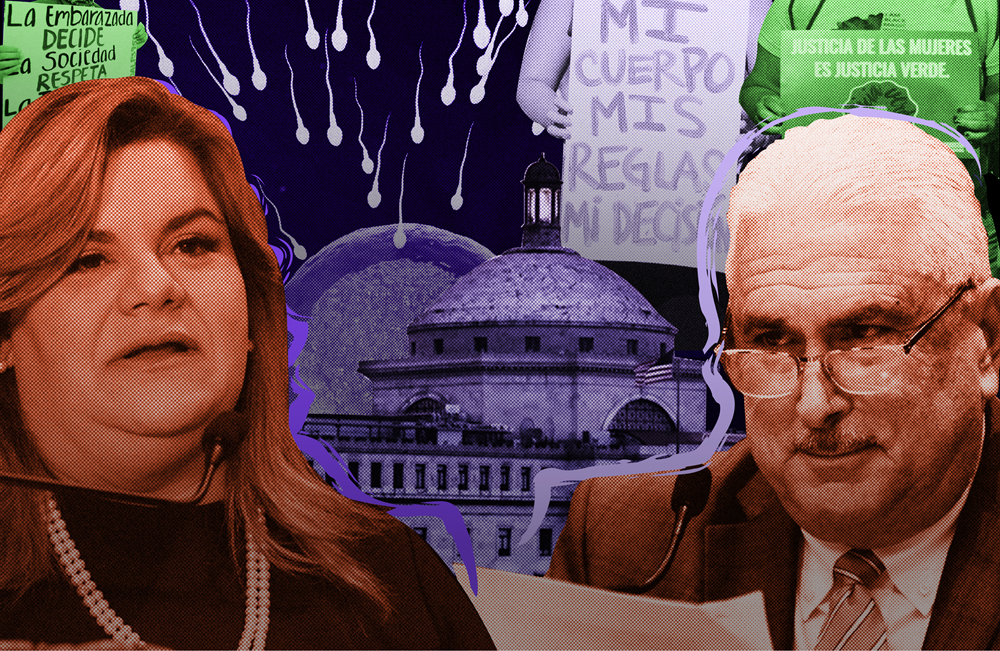
Reports from several U.S. states show that laws similar to Puerto Rico’s Senate Bill 504 have led to the criminalization of medical emergencies, the denial of essential health care, and increased state surveillance of pregnant people.
Read more

New Women’s Advocate Vows Independence, Seeks to Win Over Feminist Critics
By Cristina del Mar Quiles | Todas y Centro de Periodismo Investigativo , Mariela Fullana Acosta | Todas | May 20, 2025
Despite being appointed without public hearings or the support of feminist organizations, Astrid Piñeiro Vázquez says she’s determined to maintain her independence from Puerto Rico Governor Jenniffer González Colón, whom she is tasked with holding accountable. The position, which Piñeiro Vázquez assumed on March 31, carries a 10-year term.
Read more

Women’s Advocate Lacks a Clear Plan as Funding Cuts Threaten Services for Gender Violence Survivors
By Cristina del Mar Quiles | Todas y Centro de Periodismo Investigativo , Mariela Fullana Acosta | Todas | May 20, 2025
Puerto Rico Women’s Advocate Astrid Piñeiro Vázquez said she trusts that the proposed federal funding cuts will be smaller than anticipated, that the Puerto Rico Legislature will increase her office’s budget, and that citizens will step up with donations to organizations serving survivors of gender-based violence.
Read more

Dominican Women in Puerto Rico Face the Burden of Immigration Policies
By Génesis Dávila Santiago | Unidad Investigativa de Género y Todas , Cristina del Mar Quiles | Todas y Centro de Periodismo Investigativo | January 28, 2025
The fear of deportation places migrant women in a more vulnerable position despite their crucial role in sustaining some of the island's communities, social worker Elithet Silva Martínez says.
Read more

Ana Irma Rivera Lassén: “We Must Empower Ourselves as the Opposition We Represent”
By Cristina del Mar Quiles | Todas y Centro de Periodismo Investigativo | November 15, 2024
The feminist and human rights activist was the first Black and lesbian woman to run for resident commissioner of Puerto Rico. Despite the election results not being in her favor, the General Coordinator of the Citizen Victory Movement noted the strengthening of the Alianza de País as the island’s second political force and called for assuming the role of strong opposition against the upcoming conservative policies.
Read more

Lawmaker Proposes Reparations Bill for Children of Femicide Victims
By Cristina del Mar Quiles | Todas y Centro de Periodismo Investigativo | October 13, 2023
A bill that proposes protection and reparation measures for the children victims of femicide was presented by Puerto Rican Independence Party (PIP, in Spanish) Rep. Denis Márquez on September 29.
Read more

House Committee Confirms Mishandling of Domestic Violence Complaints Involving Police Officers
By Cristina del Mar Quiles | Todas y Centro de Periodismo Investigativo | May 26, 2023
The House of Representatives’ Committee on Women’s Affairs recommended that the Women’s Advocate Office lead the investigation into police officers accused of domestic violence.
Read more
¡Haz tu donación, por más CPI!
Necesitamos tu apoyo para seguir haciendo y ampliando nuestro trabajo.

Domestic Violence Is Rampant Among Puerto Rico Police Officers. Few Face Consequences
By Cristina del Mar Quiles | Todas y Centro de Periodismo Investigativo , Syra Ortiz Blanes | The Miami Herald y El Nuevo Herald , Ana Claudia Chacin | The Miami Herald y El Nuevo Herald | November 8, 2022
An investigation by the Miami Herald and the Center for Investigative Journalism in Puerto Rico has identified failures in the handling of gender-based violence cases involving police officers, as well as a culture of impunity that protects the abusers and makes victims even more vulnerable.
Read more

Puerto Rico's Supreme Court Chief Justice is Held Accountable for Court Response to Gender Violence Cases
By Cristina del Mar Quiles | Todas y Centro de Periodismo Investigativo | July 7, 2022
In her office in Puerta de Tierra, a San Juan neighborhood, Supreme Court Chief Justice Maite Oronoz Rodríguez answered questions from the Gender Investigative Unit, of the Center for Investigative Journalism and Todas.
Read more
