
Hurricane Fiona
Latest
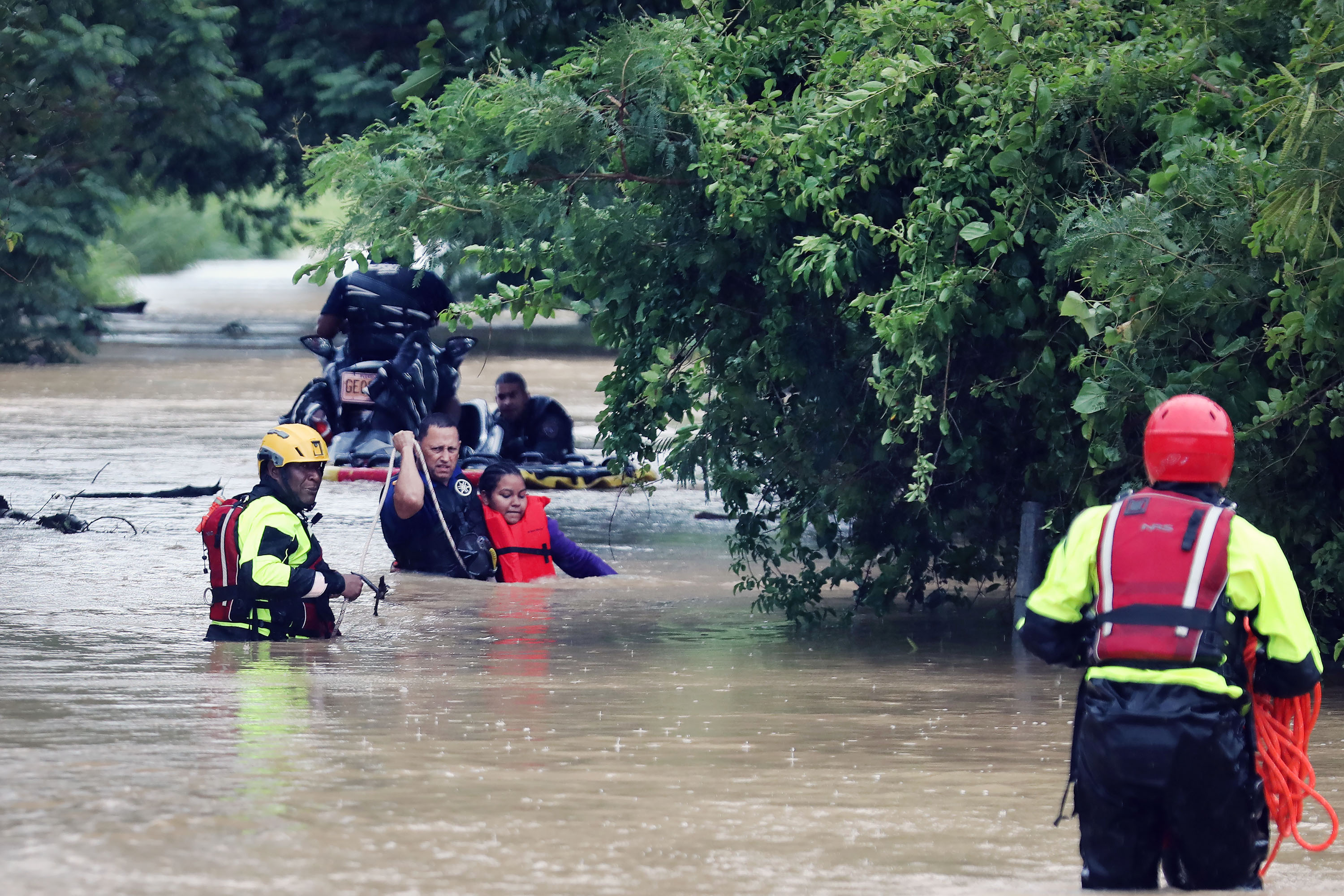
Puerto Rico Among the 10 Countries Most Affected by the Climate Crisis
By Luis Joel Méndez González | February 13, 2025
A study by the organization Germanwatch estimates that damages in Puerto Rico totaled $2.6 billion in 2022, in addition to disrupting potable water service for a million residents and causing the deaths of more than 20 people after Hurricane Fiona.
Read more

Those Living on Unnamed Streets in Puerto Rico Are Invisible
By Laura M. Quintero | Todas y Centro de Periodismo Investigativo | January 24, 2024
For thousands of people without a physical address, FEMA post-disaster aid was delayed or denied. In Loíza, impoverished women and Black people have been the most affected by nor having that residential identity.
Read more

Puerto Rico Was Promised Billions for Safe Water. Taps Are Still Running Dry.
An analysis by CPI and The Post found that despite ample federal funding, less than 1 percent of the FEMA and U.S. Department of Housing and Urban Development (HUD) money slated for the island’s public water utility corporation since 2018 has been set aside to buy generators for water pumps. Local officials instead relied on a patchwork supply of emergency units but failed to get many in place ahead of the storm and supply them with enough diesel.
Read more

Poor Conditions of Bridges in Puerto Rico Raise Doubts on Ability to Withstand Future Cyclones
By Rafael R. Díaz Torres | October 27, 2022
The Department of Transportation and Public Works informed that 16 bridges suffered damage after Hurricane Fiona struck, but a Center for Investigative Journalism investigation found that this number is wrong and that, from those 16, nine bridges had their strength and stability seriously or severely affected prior to the hurricane that hit Puerto Rico on September 18.
Read more

Government Has No Plan to Handle Increase in Post-disaster, Gender-based Violence
By Cristina del Mar Quiles , Valeria María Torres Nieves | Todas y Centro de Periodismo Investigativo | October 6, 2022
Since Hurricane Fiona struck September 18, the government of Puerto Rico has held more than a dozen press conferences, but in none has it provided information that helps victims and survivors of gender-based violence get specialized aid they need during the emergency, when they are most vulnerable.
Read more

Digital Platform Would Expedite Puerto Rico’s Death Count and Record-keeping, Government Says
By Jeniffer Wiscovitch Padilla | September 30, 2022
The tool is not yet working to its total capacity because hospitals have not completed the training. About 50% of the information on deaths is still collected manually.
Read more

No Solutions to Prevent Blockages in Irrigation Channels During Severe Floods in Puerto Rico
By Víctor Rodríguez Velázquez | September 29, 2022
Communities around the irrigation channels, whose conditions worsened due to the flooding caused by Hurricane Fiona, will continue to be at risk because there are no immediate solutions to prevent obstructions during extraordinary rainfall events, experts and the government of Puerto Rico told the Center for Investigative Journalism (CPI, in Spanish). Although the Federal Emergency […]
Read more

Hurricane Shelters Without Water and Electricity Don't Comply With the Law
Hurricane Fiona’s first gusts were barely blowing when dozens of mayors had to improvise solutions. When they arrived at the locations that the government of Puerto Rico certified as shelters, they found they had no water tanks or power generators. At that time, a copy of Act 88 sat on a desk.
Read more

Puerto Rico Health Dept. Repeats Hurricane Maria's Mistakes During Fiona with Patients Who Depend on Electricity
By Eliván Martínez Mercado | September 25, 2022
The day before Hurricane Fiona made landfall, Petra Rodríguez tried to turn on the power generator she had just bought, but it arrived damaged. She needed electricity to power the electric pump with which she feeds her 93-year-old mother, who is bedridden, and to operate the adjustable bed and inflatable mattress, which keep her from […]
Read more
¡Haz tu donación, por más CPI!
Necesitamos tu apoyo para seguir haciendo y ampliando nuestro trabajo.
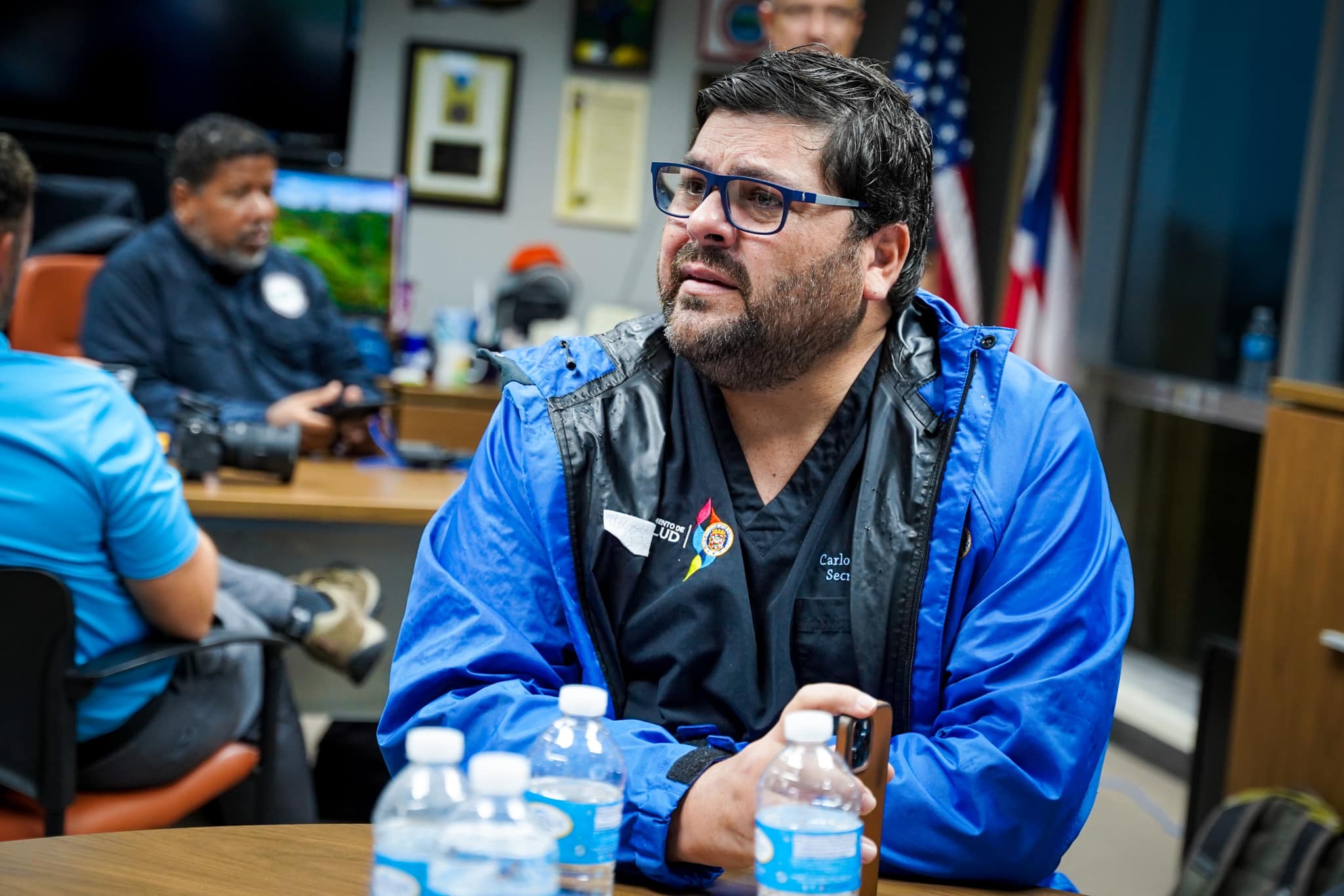
[FACT CHECK] Secretary of Health Carlos Mellado: “You must remember that those hospitals are private.”
The DS is responsible for licensing, inspecting and supervising all hospitals, ensuring that their physical plant meets the safety standards required by Act 101 on Health Facilities and the Health Secretary’s Regulations for the Construction, Operation, Maintenance and Licensing of Hospitals in Puerto Rico.
Read more

Hurricane Fiona: A Blow to Puerto Ricans’ Open Wound
On the fifth anniversary of the devastation caused by Hurricane María, Puerto Rico woke up Monday with a new catastrophe whose dimension remains to be seen as there are still bands of rain expected from Hurricane Fiona.
Read more