
PROMESA
Latest

Ten Years of Darkness Under the Fiscal Control Board
By Lcdo. Carlos Francisco Ramos Hernández | July 20, 2026
A few weeks ago, I attended the commencement ceremony of the University of Puerto Rico’s Río Piedras campus. One figure was omnipresent throughout the ceremony: the federally appointed Fiscal Control Board, whose enabling federal law, PROMESA, recently marked its 10th anniversary.
Read more

Oversight Board Orders New Fiscal Plan From University of Puerto Rico Amid Governance Crisis
By Víctor Rodríguez Velázquez | March 31, 2026
The university has not updated its fiscal plan since 2021. After missing this year’s March 24 deadline, it received an extension from the FOMB, but the May 1 final approval date remains unchanged.
Read more

Fiscal Oversight Board Has Gone a Year Without Releasing Its Members’ Financial Disclosures
By Luis Valentín | January 14, 2026
The Financial Oversight and Management Board (FOMB) — imposed by the federal government to enforce fiscal discipline over the Puerto Rico government and its agencies — has gone a year without publishing some of its members’ financial disclosure reports, as required by the federal PROMESA law. The board also has not published the financial disclosures of Gov. Jenniffer González, who is subject to the requirement as an ex officio, nonvoting member of the board.
Read more

Post-Mortem on the Fiscal Control Board: “Make Puerto Rico Great Again”
By Luis Valentín | August 19, 2025
In his second term, U.S. President Donald Trump and the Make America Great Again movement have decided to leave their mark on the entity created by the federal PROMESA Act. Once again, the debt of the Puerto Rico Electric Power Authority and the reconstruction of the power grid are treated as the spoils of war.
Read more

Fiscal Control Board Claims It Wants to Leave Puerto Rico, But Its Actions Tell a Different Story
By Luis Valentín | February 11, 2025
Far from seeking its exit, the Fiscal Control Board is at its peak integration with the Puerto Rico government. At a time when each side has its interpretation of what PROMESA requires, it seems unlikely that the Board will leave on its terms.
Read more
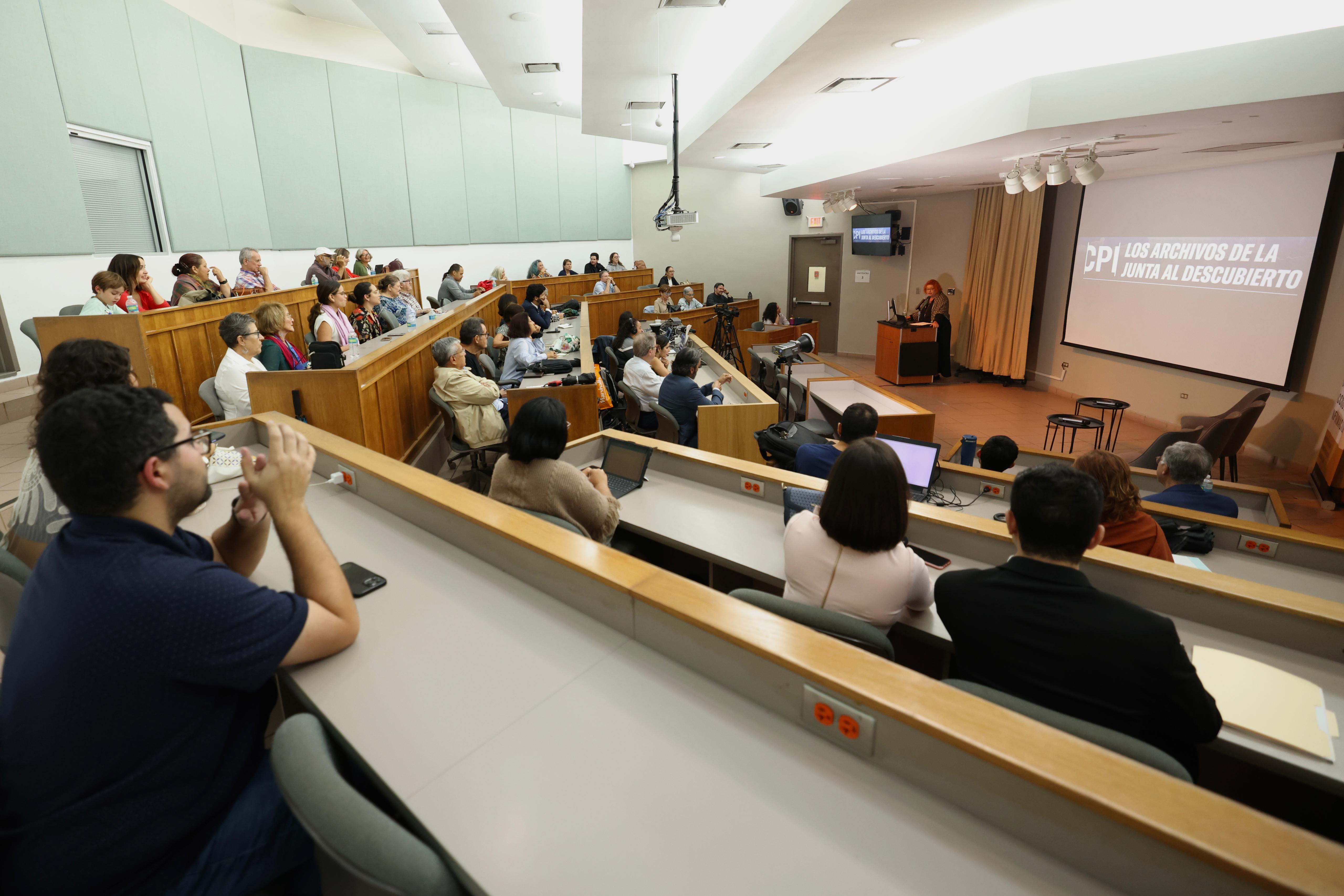
Thousands of documents from the Fiscal Control Board available to the public
By Centro de Periodismo Investigativo | May 13, 2024
The CPI launched the “El Buscador de la Junta” platform as a response to the lack of transparency of the organization imposed by the United States Government and Congress. As part of the presentation, the forum “The Board's Archives Revealed” was held on Thursday.
Read more
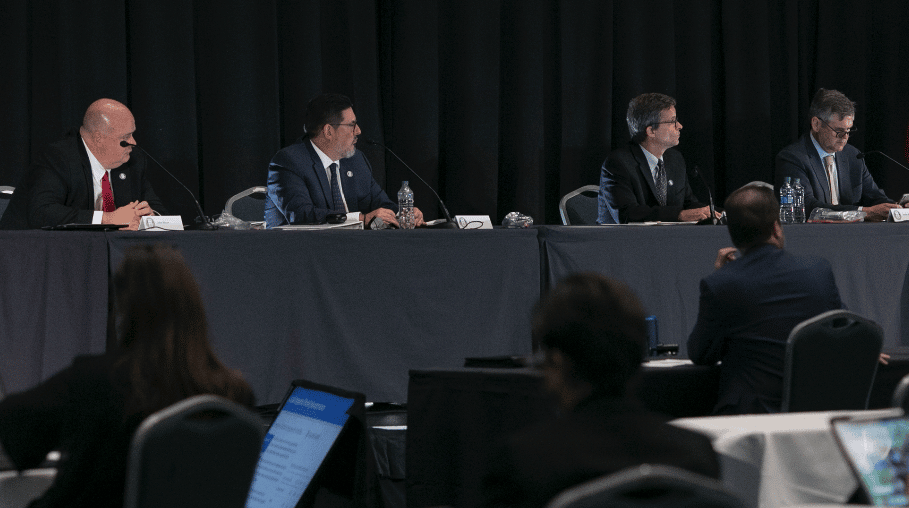
Fiscal Control Board Fights for its Alleged ‘Sovereign Immunity’ in US Supreme Court
By Luis Valentín | July 22, 2022
The Fiscal Control Board turned to the United States Supreme Court this Wednesday seeking the reversal of a recent decision by the U.S. Court of Appeals for the First Circuit that orders the delivery of the information.
Read more

Fee examiner finds overbilling in Puerto Rico’s bankruptcy proceedings
By Luis Valentín | March 4, 2018
Examiner's first interim report raises flags over deficiencies in the billing process of attorneys and consultants retained by the Fiscal Control Board, the Government and official committees. The tab for the first five months of the Title III bankruptcy cases amounts to more than $77 million and will be paid with public funds.
Read more

The Fantasy of the Fiscal Plan for Puerto Rico
By Laura Moscoso | February 20, 2018
The most recent version of Puerto Rico’s fiscal plan for its central government would chart the future of the country, giving some degree of certainty to citizens, businesses and investors to bet on the island’s dismal economy. Yet it is built on economic projections totally incompatible with the historical experience of places that have been […]
Read more
¡Haz tu donación, por más CPI!
Necesitamos tu apoyo para seguir haciendo y ampliando nuestro trabajo.
