



The heirs of José Oriol Victoriano Segarra and María Irizarry Lugo lost the house the couple left behind at 55 Barbosa St. in Cataño last month after a fraudulent deed of sale was registered, placing the property, which had belonged to the family for nearly 80 years, in the hands of someone unknown to them.
The fraudulent deed, dated June 1972, states that María and José Oriol appeared to sell their home. But that would have been impossible: José Oriol died on July 2, 1951, and María on Aug. 22, 1959, according to court documents. The sale was one of numerous transactions reviewed by the Centro de Periodismo Investigativo (CPI) and Telemundo Puerto Rico’s program Rayos X as part of the investigative series Owners on Paper, which exposed irregular property transactions in Puerto Rico involving fraudulent documents registered in the Property Registry.
The deed for the Cataño property, just across the San Juan Bay, identifies Frank Torres Ortiz as the notary who executed it. According to the document, the couple sold their home to attorney Servando López Negrón on June 30, 1972. Torres Ortiz has since died, but the Office of Notary Inspection (ODIN, in Spanish) certified that no such deed exists in his notarial records. Puerto Rico’s Notarial Law requires that notaries’ official records and registers of sworn statements be turned over to ODIN upon their death, incapacity, voluntary retirement or suspension.
The deed for the purported sale of the Segarra Irizarry couple’s home in Cataño was submitted to the Property Registry in 2024 — 52 years after the supposed transaction. The document was submitted by Waldemar Fernández Rodríguez, who buys, sells and develops properties, and was convicted of tax evasion. Fernández Rodríguez and businessman Miguel Ángel Álvarez Pérez are two of the people involved in transactions carried out using fraudulent deeds and certifications that placed land belonging to the people of Puerto Rico in private hands.
Ángel Alicea Montañez, executive director of the Puerto Rican Notaries Institute of the Puerto Rico Bar Association, told the CPI and Rayos X that the time elapsed between the sale and the submission of the deed raises suspicions about these transactions.
“Such a long period should definitely raise a red flag, and if the notaries are dead and they say they did not appear, then someone is definitely trying to commit fraud,” Alicea said, referring to transactions that allowed public land to be transferred to private individuals or companies and that follow a pattern similar to the transaction involving José Oriol and María’s home in Cataño.
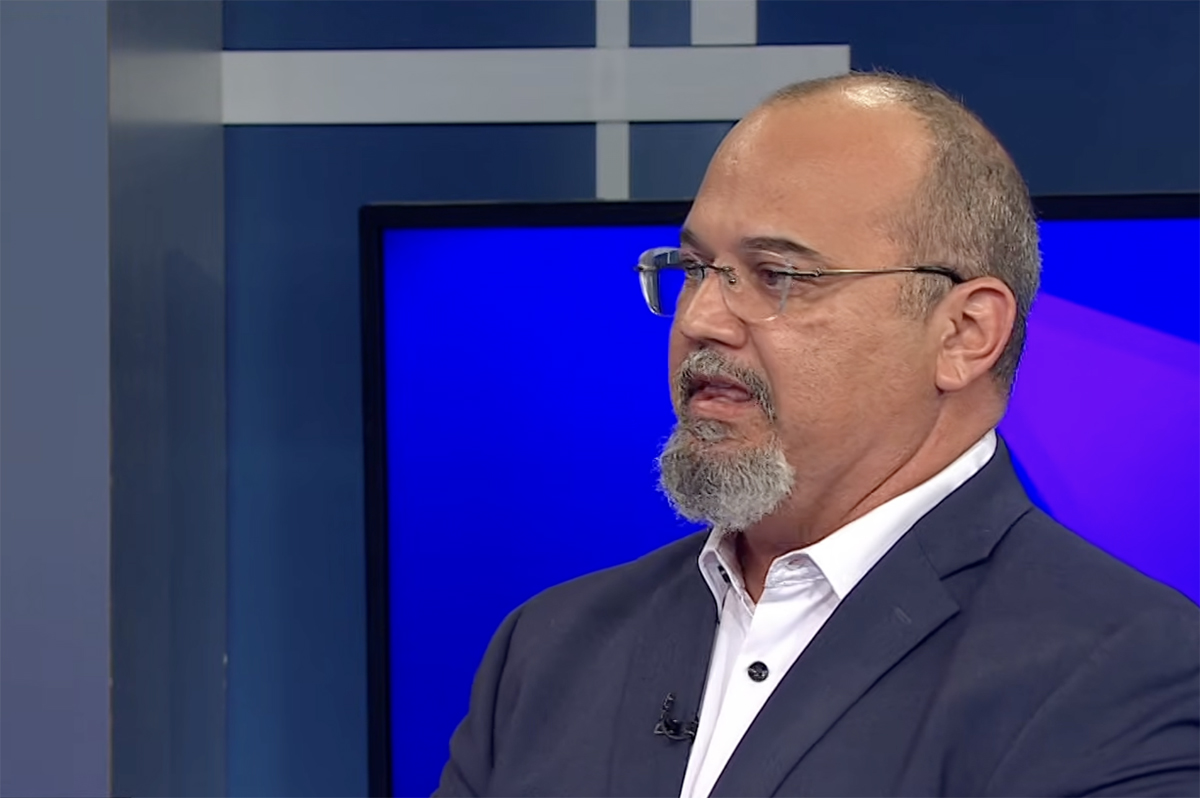
Screenshot from Rayos X
Court records show that a second deed involving the Barbosa Street house in Cataño was executed on Jan. 23, 2006, when López Negrón allegedly sold it to Miguel Ángel Álvarez Pérez. López Negrón died in 2021. The notary who supposedly executed that deed, Mark C. Jiménez Brackel, is also dead. He died in 2020, according to ODIN. The office also certified that the deed does not appear in that attorney’s notarial records, according to documents submitted to the court.
According to the Property Registry’s Karibe platform, Fernández Rodríguez personally submitted both deeds — dated June 30, 1972, and Jan. 23, 2006 — to the Property Registry on May 1, 2024, just 19 minutes apart.
On July 16, 2024, Álvarez Pérez sold the Cataño house to Blue Sky Properties LLC for $182,000, according to a deed executed by notary Francisco José de Jesús Guzmán. Blue Sky Properties and Bahía Development are involved in developing Bahía Apartments, an affordable housing project for Cataño residents located right next to the Segarra Irizarry estate’s house.
Two months after that transaction, the estate’s executor, Daniel Eduardo Garavito Medina, learned that the house had been sold without his knowledge or that of the heirs. He filed legal action to protect possession of the property.
In September 2025, Garavito Medina filed a possessory injunction lawsuit at the Bayamón Superior Court. But last month, Judge Jaime Fuster Zalduondo dismissed the case with prejudice. The judge determined that the executor had failed to demonstrate that he had actual possession of the property during the year preceding the filing of the lawsuit, as required by law.
“The plaintiff himself implicitly acknowledges in his amended complaint that the defendant Blue Sky possessed the property in question, even if that possession was unlawful,” the judge wrote in his ruling.
A possessory injunction is a legal remedy that does not determine who owns a property but rather who had physical possession of it during the year before the lawsuit was filed, explained José Alvarado Vázquez, an assistant professor at the University of Puerto Rico (UPR) School of Law.
“Having possession of a property means that the person has the key, pays the water and electricity bills, is responsible for maintenance — in other words, does the things typically associated with a property, even if someone else supposedly bought it,” he added.
Alvarado Vázquez explained that a judge hearing a possessory injunction case does not decide whether the purchase agreement is legal or illegal because that is a separate proceeding.
“That is an entirely separate process. There is nothing preventing the executor from now filing a lawsuit concerning title to the property,” he said.
The Dueños de Papel series has exposed weaknesses in Puerto Rico’s notarial and property registration systems that allow fraudulent deeds to be registered. At the same time, the justice system has failed to stop a pattern of transactions disguised as legitimate. The investigation also shows how fraudulent deeds and certifications facilitate the transfer of public land to private individuals through transactions involving the same people connected to the suspicious Cataño transaction: Miguel Ángel Álvarez Pérez and Waldemar Leonardo Fernández Rodríguez.
Padlocks and Locks Changed
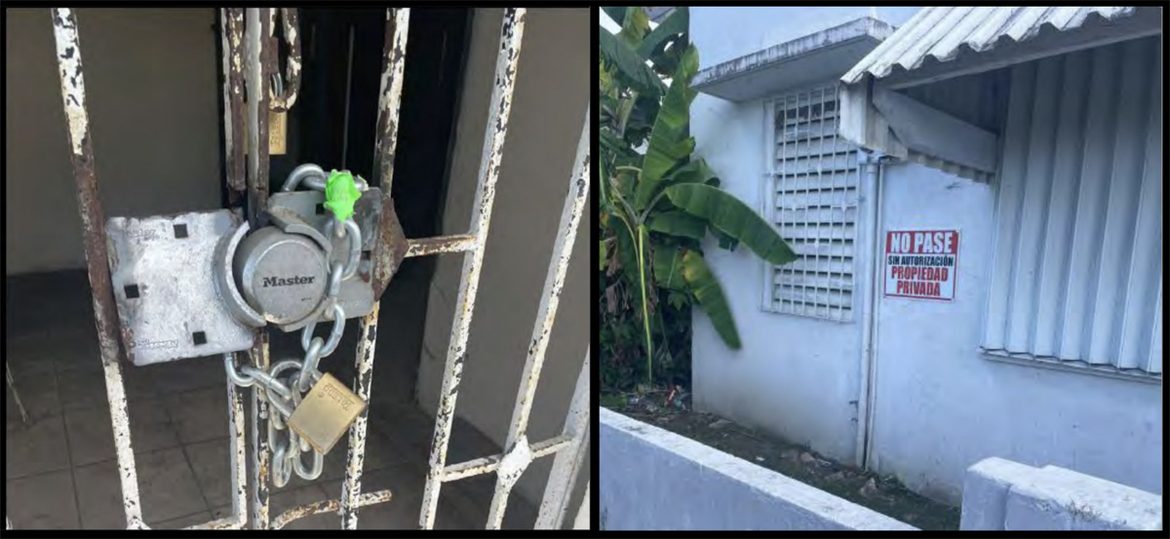
On Sept. 24, 2024, executor Garavito Medina found that the padlocks and locks on the Cataño house had been changed and signs reading “No Entry Without Authorization” and “Private Property” had been posted. That was the day he learned the house had passed into someone else’s hands. Garavito Medina filed a police complaint and, a year later, a lawsuit, which was dismissed in October 2026.
The dismissal of the possessory injunction lawsuit leaves the property in the hands of Blue Sky Properties LLC. For now, the Segarra Irizarry heirs have lost the house.
The defendants — Blue Sky Properties, Bahía Apartments and Bahía Development — maintained that the executor had not possessed the house during the year before they purchased it from Miguel Ángel Álvarez Pérez and therefore could not assert a claim.
The plaintiff, however, argued that he had possessed the house in his capacity as executor, a role he assumed in 2016, until Álvarez Pérez illegally sold it to Blue Sky, which placed padlocks on the property.
Garavito Medina alleged that Blue Sky knew the Segarra Irizarry estate was the rightful owner of the house. For one thing, he said, the company’s president, Miguel Rivera Figueroa, had approached him about buying the property in 2017. The executor explained that the residence could not be sold because the heirs first had to resolve several legal matters.
Garavito Medina also alleged that Blue Sky contacted him in 2023 about a fence along the boundary between the residence and the apartment project.
A Document From the Last Century, but With Modern Stamps, Formatting and Information
While investigating the property’s chain of title, Garavito Medina found the deed showing José Oriol and María selling the house on a date when both were already dead. The file containing the 1972 deed also included a Unified Attorney Registry (RUA, in Spanish) number, even though that registry did not take effect until 2008.
“This is a document that is unlawful on its face,” the lawsuit states. “An examination of the stamps canceled on the certified copy of the deed shows that they do not correspond to the internal revenue stamps from 1972, the year in which the certified copy was allegedly issued.”
The stamps bear a 2024 date, the year the document was submitted to the Property Registry. The same irregularity was found in the deed executed in 2006.
For that reason, Garavito Medina’s attorney, Carmen M. Quiñones Núñez, asked the court to “order that possession of the property be turned over to the plaintiff and declare that he is the only person entitled to possess it.”
However, on Oct. 20, Judge Fuster Zalduondo ruled against the executor and did not restore possession of the property to him. The judge granted Blue Sky’s motion to dismiss, finding that the lawsuit had been filed too late, 14 months after the sale.
Garavito Medina had notified the defendants of his intention to sue and sought to interrupt the limitations period. But Fuster Zalduondo determined that those communications did not stop the clock for filing the lawsuit because it was essential for the plaintiff to demonstrate that he had possessed the house during the preceding year.
“The plaintiff could not have possessed the property during the year preceding the filing of the complaint, since Blue Sky had effectively exercised possession since July 16, 2024, and the deadline for requesting a possessory injunction expired on July 16, 2025. By filing his claim on Sept. 23, 2025, it was time-barred,” the ruling states.
The estate not only lost the house. Fuster Zalduondo also considered whether the litigation involved frivolous conduct and ordered the estate to pay $1,000 in attorney’s fees to the defendants.
Neither Garavito Medina nor his attorney agreed to comment to the CPI.
Blue Sky Properties President Rivera Figueroa told the CPI that he had lawfully acquired the property from Álvarez Pérez, who appeared as its owner in the Property Registry, according to a title search conducted by Capital Title Services LLC on July 15, 2024, and a certificate showing no outstanding debt issued by the Municipal Revenue Collection Center (CRIM, in Spanish).
“Based on those documents, which are attached, there was no reason for us to believe that they were incorrect,” Rivera Figueroa added in written statements to the CPI.
The Blue Sky president did not answer the CPI’s question about whether he found it unusual that the property was registered in Álvarez Pérez’s name through a 2006 deed of sale when Garavito Medina had told him during a meeting in 2017 that the property belonged to an estate with multiple heirs.
Rivera Figueroa also maintained that his only contact with Álvarez Pérez was for the purchase transaction. He said he had never spoken to Waldemar Fernández Rodríguez, who submitted the first two deeds of sale for the house to the Property Registry, and had no connection to him.
Fernández Rodríguez and Álvarez Pérez did not answer questions sent by the CPI and Rayos X concerning the registration of the 1972 and 2006 deeds of sale for the Cataño house. Through their attorney, Edgardo Zapata Torres, both said they would not respond because the court case had not reached a final, binding and unappealable judgment.
A Certification Failed, but a Deed Succeeded
The CPI and Rayos X found that, in a similar case, Waldemar Fernández Rodríguez tried to register a parcel of land in Toa Baja in the name of Atilana Surun Arias in September 2025. He submitted a certification from the Department of Housing stating that the agency had sold the lot to Surun Arias for $9,000.
The registration was unsuccessful because the Property Registry notified Fernández Rodríguez that the land could not be registered in Surun Arias’ name. The reason? The parcel was already registered to married couple Juan Nieves Figueroa and Elisa Prieto Rivera.
But two months later, the parcel was registered in Surun Arias’ name. A courier who provides services to Fernández Rodríguez submitted a deed to the Property Registry stating that the couple had supposedly sold the land to Surun Arias on Feb. 20, 2009.
By then, Nieves Figueroa and Prieto Rivera were both dead, making the purported sale impossible. Nieves Figueroa died on Oct. 21, 1991, and his wife on May 9, 2004, according to information the CPI and Rayos X verified in the Demographic Registry’s mortality database. The notary who executed the deed, José O. Leduc Cruz, died in August 2012.
When the CPI and Rayos X asked Fernández Rodríguez whether he knew Atilana Surun Arias, he said in a written response that he did not.
Government Agencies Investigate
The Department of Justice, which oversees the Property Registry, confirmed to the CPI and Rayos X in October 2026 that it had launched an investigation into public land sales involving Fernández Rodríguez and Álvarez Pérez following the journalistic investigation.
Housing Secretary Luis Augusto Martínez Román told reporters that his agency had launched an internal investigation and would seek to recover public land transferred to other individuals through fraudulent certifications and deeds.
“This strikes me as something horrifying,” Martínez Román said. “We are going to take whatever steps are necessary to defend the property of the people of Puerto Rico,” he added.
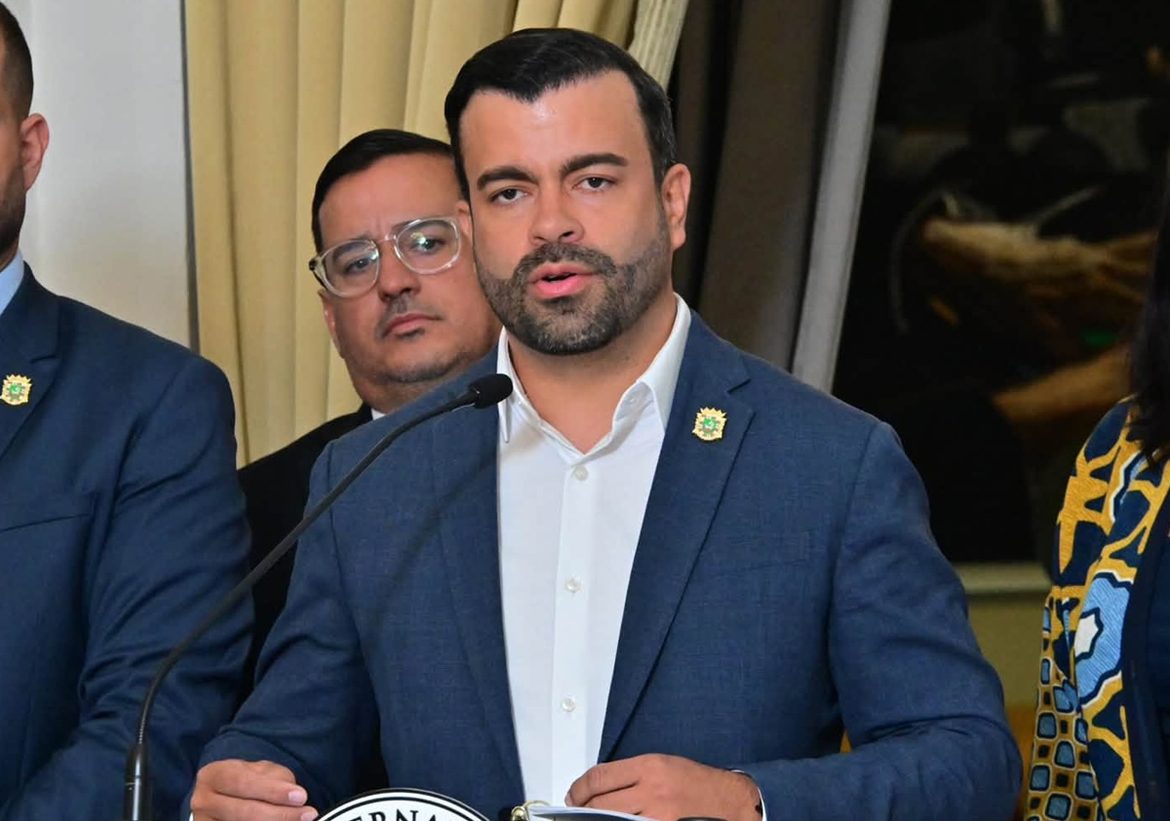
Photo provided
The Courts Administration Office (OAT, in Spanish) also confirmed to the CPI and Rayos X that at least 18 deeds identified as irregular in the investigation into public land sales do not appear in the corresponding notarial indexes.
This would not be the first time the Department of Justice has investigated Fernández Rodríguez.
On June 17, 2021, then-Justice Secretary Domingo Emanuelli Hernández declared: “For those tax evaders, their abuse of the people of Puerto Rico is over.”
That day, Emanuelli Hernández and then-Treasury Secretary Francisco Parés Alicea announced Fernández Rodríguez’s arrest for evading taxes for four consecutive years despite earning more than $1.2 million during that period.
“Mr. Waldemar marketed himself as a developer, and the lots were in his name. In many of these cases, the people who paid for these lots in exchange for receiving the property also ended up being victims of fraud because Mr. Waldemar promised them work to finish preparing the properties and make them suitable for development, and that never happened,” prosecutor Juan Méndez told reporters at the time.
But the fanfare with which the government announced the “end of the abuse” and promised that tax evaders would be “prosecuted without hesitation” lasted barely six months.
In December of the same year he was arrested, Fernández Rodríguez reached an agreement with the Department of Justice under which he pleaded guilty to four counts of tax evasion. The agreement allowed him to pay just $4,000 in fines.
Fernández Rodríguez continued buying and selling properties, and in May 2024 he submitted to the Property Registry the deeds that Garavito Medina’s lawsuit alleges are fraudulent.
Fernández Rodríguez has been sued at least 25 times in cases involving debt collection, attachment of assets, unjust enrichment and breach of contract related to property sales and other real estate matters, according to court records reviewed by the CPI.
Over the past two decades, he has incorporated at least 15 companies, most of them involved in property development and maintenance. Miguel Ángel Álvarez Pérez is also listed as an incorporator of one of those companies, while José Manuel Pérez Fernández appears as an incorporator of others.
Pérez Fernández is also listed in some instances as a resident agent, as treasurer of Assets Management Group Corporation, and as the notary who executed dozens of property sales involving Fernández Rodríguez’s companies.
In 2024, Pérez Fernández was indefinitely suspended from practicing law and serving as a notary for repeatedly failing to comply with ODIN’s requirements to correct deficiencies in his notarial work and for disregarding court orders.
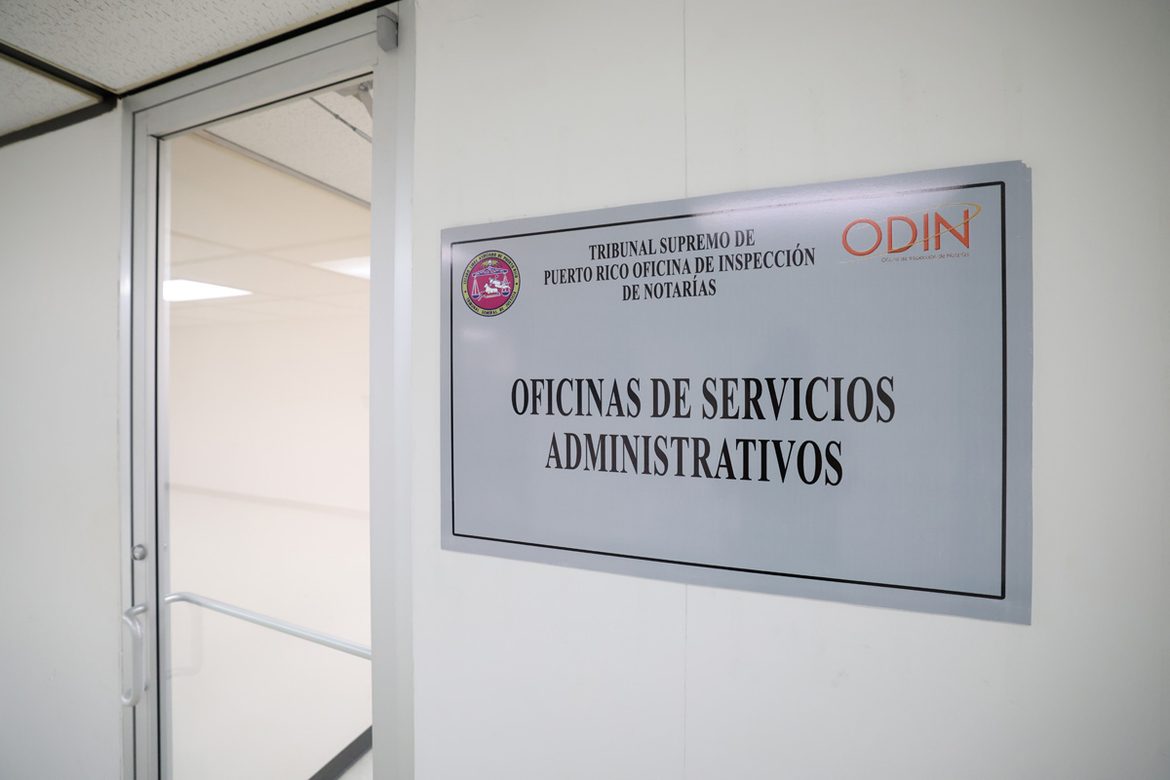
Photo by Brandon Cruz González | Centro de Periodismo Investigativo
Deficiencies found in Pérez Fernández’s notarial records included missing signatures and initials of parties executing several notarized instruments; omitted supporting documents; duplicate deed numbers and deeds lacking a documented chain of title; unpaid notarial fees; and failure to submit annual Notarial Activity Statistical Reports from 2014 through 2024, among other shortcomings.
Among the transactions flagged were deeds containing errors involving Dorado Developers Group Corporation, Avatar Land LLC, M2Homes Development Corporation, 2020 Homes Inc. and Terra Factoria LLC. Waldemar Fernández Rodríguez or two of his children serve as presidents or hold management positions in these companies.
This translation was generated with the assistance of AI and reviewed by our editorial team to ensure accuracy and clarity.