

Puerto Rico
Latest

Climate Change-Driven Heat Kills Nearly 3M Worldwide, Study Finds
By Amanda Pérez Pintado | October 28, 2026
In Puerto Rico, where extreme heat poses a growing health risk, the government still lacks an effective system to track heat-related deaths.
Read more

Puerto Rico Will Get $124.7M From Meta. How the Money Will Be Spent Remains Unclear
By Tatiana Díaz Ramos | October 8, 2026
Meta did not admit liability for the harm its Instagram and Facebook platforms cause among children and young people, but at least half of Puerto Rico’s settlement is expected to go toward remedies for minors.
Read more

Puerto Rico Government Turns to Short-Term Aid and Public-Private Partnerships as Shelter Crisis Persists
By Nydia Bauzá | September 8, 2026
Seven months after our investigation revealed that Puerto Rico’s nine shelters were at risk of closing, the nonprofits that operate them remain financially vulnerable as government aid remains temporary and fragmented.
Read more

New Study Warns Drought in Puerto Rico Will Persist and Worsen
By Luis Joel Méndez González | August 28, 2026
More than 20 international scientists found that droughts like the one affecting the island will become more frequent unless global warming is curbed.
Read more

Carlitos’ Way: Meet the Publicist Shaping Puerto Rico’s Governor’s Image
By Luis Valentín | August 25, 2026
Carlos Bermúdez Urbina, a longtime adviser and friend of Gov. Jenniffer González Colón, works behind the scenes on her public image while his company holds more than $626,000 in government contracts.
Read more

Puerto Rico’s Student Loan Default Rate Could Threaten College Aid
By Víctor Rodríguez Velázquez | August 6, 2026
Thirty-one percent of student loan borrowers in Puerto Rico are more than nine months behind on payments, according to the U.S. Department of Education, a situation that could jeopardize access to Pell Grants at institutions with high default rates.
Read more

Health Insurance Premiums Double in Puerto Rico as Patients Pay More for Less Coverage
By Amanda Pérez Pintado , Jeniffer Wiscovitch Padilla | May 21, 2026
Monthly premiums have risen by an average of 100% over the past decade — and by more than 1,400% for retired government employees — while patients face higher copays, shrinking benefits and fewer doctors.
Read more
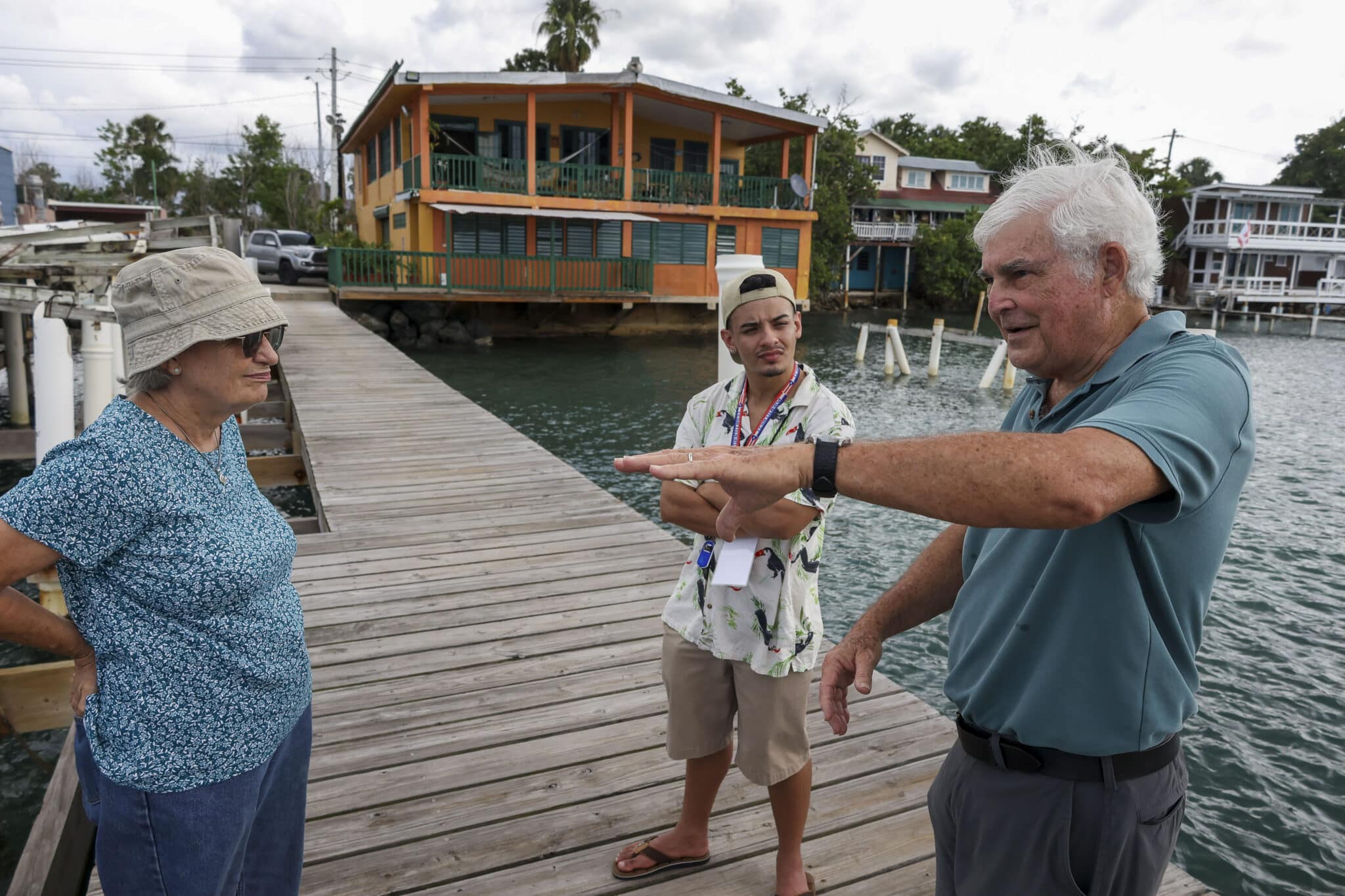
Communities as Agents of Change in Environmental Movements
By Luis Joel Méndez González | April 25, 2026
Community groups have turned to social media to amplify their complaints, share newsworthy information, produce their own content and forge alliances with content creators and citizen journalists to bring about change rather than remain passive in the face of poor environmental management.
Read more

First Medical Health Plan Goes Years Without Paying Providers and Cuts Services to Patients
By Jeniffer Wiscovitch Padilla | April 23, 2026
Doctors and other providers have stopped accepting the plan due to payment issues and say they are worried about the future of the insurer that covers the health care needs of half a million people in Puerto Rico.
Read more
¡Haz tu donación, por más CPI!
Necesitamos tu apoyo para seguir haciendo y ampliando nuestro trabajo.

For the third straight year, Puerto Rico’s population decline is being driven by deaths, not migration
By Gabriela Carrasquillo | Centro de Periodismo Investigativo | March 31, 2026
A report published by the U.S. Census Bureau in January on population estimates shows that Puerto Rico’s population shrank in 2025 compared with the previous year. It also marks the third consecutive year in which the loss of residents was driven primarily by deaths rather than net migration, a measure calculated by subtracting the number of people leaving from the number arriving.
Read more

As the U.S. Military Expands in Puerto Rico, Enlistment Keeps Falling on the Island
By Víctor Rodríguez Velázquez , José M. Encarnación Martínez , Gabriela Carrasquillo | Centro de Periodismo Investigativo | March 10, 2026
The promise of socioeconomic mobility through enlistment is being eclipsed by harassment, discrimination, language barriers and the prospect of looming armed conflicts.
Read more

Growing Old Alone: How Puerto Rican Migration Reshaped Family Care
By Vanesa Baerga | January 15, 2026
Mass migration and accelerated aging have transformed how older Puerto Ricans are cared for. Today, thousands of families split that responsibility between Puerto Rico and its diaspora in the U.S., with cities like Chicago becoming emotional and logistical extensions of the island.
Read more

The most read investigations in 2025
By Centro de Periodismo Investigativo | December 30, 2025
Stories of corruption, government oversight and more
Read more

Eight Years After Hurricane María, Puerto Rico Has Rebuilt Just One Public School
By Tatiana Díaz Ramos | September 22, 2025
The island’s Department of Education is losing students, in part, due to a cycle of constant school relocations, deteriorating facilities, and shortened schedules from noon to 5 p.m., which are stopgap measures that fail to address the core problem: an unrepaired infrastructure, despite the availability of funds.
Read more

Puerto Rico’s Climate Change Committee Left Powerless by Politics and Lack of Funding
By Luis Joel Méndez González | September 17, 2025
Three vacant seats and months without meetings have stalled the panel, despite its legal duty to oversee the implementation of the Climate Change Mitigation, Adaptation and Resilience Plan.
Read more

Post-Mortem on the Fiscal Control Board: “Make Puerto Rico Great Again”
By Luis Valentín | August 19, 2025
In his second term, U.S. President Donald Trump and the Make America Great Again movement have decided to leave their mark on the entity created by the federal PROMESA Act. Once again, the debt of the Puerto Rico Electric Power Authority and the reconstruction of the power grid are treated as the spoils of war.
Read more