

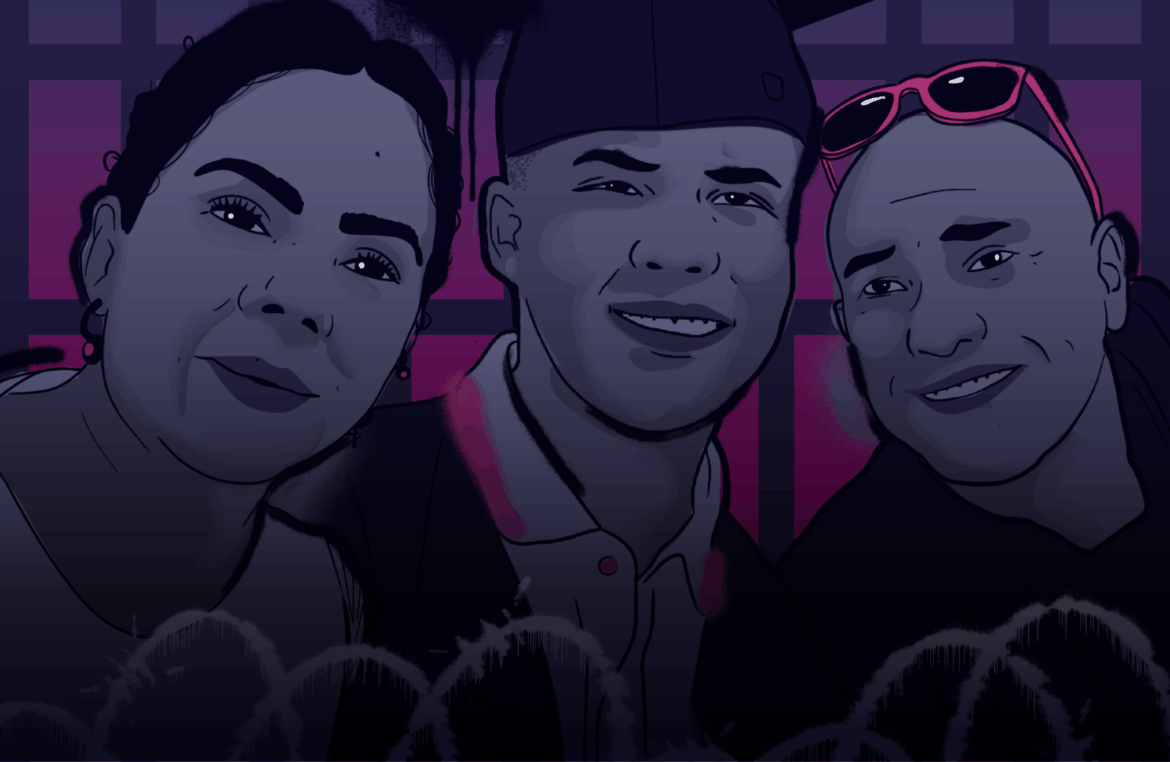

Ivángel Martínez Alicea stands quietly with his arms crossed as he listens to his mother and father talk in a corner of the crowded sixth-floor hallway of the Bayamón Judicial Center. Around him, the low murmur of other criminal defendants and their families fills the corridor. Private attorneys and lawyers from Puerto Rico’s Legal Aid Society (SAL, in Spanish), which represents indigent defendants, weave through the hallway carrying briefcases, while prosecutors walk by with stacks of case files.
Near Ivángel — a young man who grew up as a strong student — stands an escort from the rehabilitation center where he is receiving court-ordered treatment at the time of his interview with the Centro de Periodismo Investigativo (CPI). The 23-year-old’s gaze is fixed, and his lips are chapped. “Because of the medication,” his father, Miguel Martínez Chiques, explains.
Ivángel and his family arrived at the courthouse that November morning for a hearing in the case against him. The events trace back to the previous April when, according to the criminal complaint, he assaulted two people in their seventies at a shopping center in Bayamón. One of the victims, Martínez Chiques said, understands that Ivángel is a mental-health patient and “wants him to get better.”
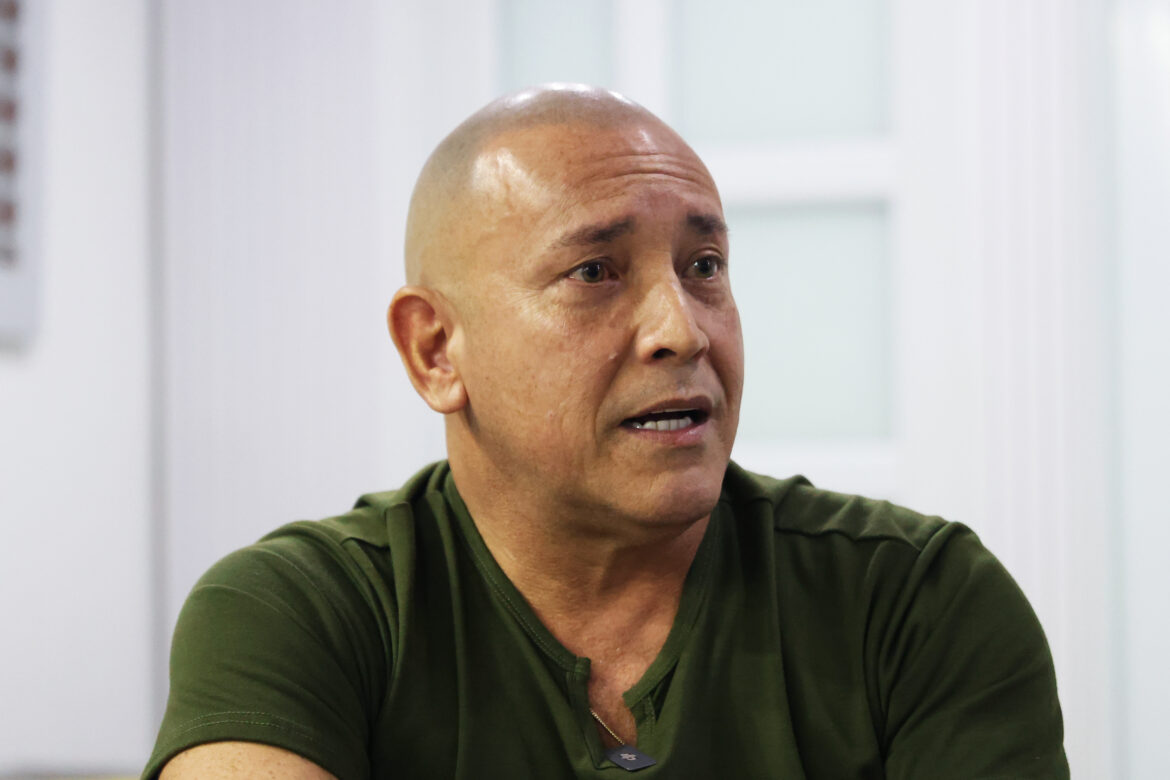
Photo by Brandon Cruz González | Centro de Periodismo Investigativo
The incident that resulted in Ivángel’s arrest and incarceration occurred less than a week after he had been admitted to the Dr. Ramón Fernández Marina Psychiatric Hospital, part of the Mental Health and Addiction Services Administration (ASSMCA, in Spanish). He had been hospitalized involuntarily under Puerto Rico’s Mental Health Act (Act 408-2000).
“All of this could have been avoided,” Martínez Chiques said. He explained that the hospital never notified the family when his adult son was discharged. He only learned that Ivángel had been released when he saw news reports about his arrest.
Ivángel’s story is not an isolated one; it mirrors the experiences of hundreds of people with mental health conditions who are failed by the healthcare system and end up in the correctional system. The number of criminal defendants declared unfit to stand trial who received services from ASSMCA increased by 188% between 2018 and 2024, without any corresponding expansion of medical facilities able to treat them, the CPI found. By early July of this year, ASSMCA had already handled 122 such cases — a figure that, except for 2024, exceeds the annual totals of every previous year. ASSMCA operates Puerto Rico’s only two forensic psychiatric hospitals.
There are cases like that of José Luis Jorge Moreu, who was declared unfit to stand trial in 2017 and waited more than a year for a hospital bed. He remained in prison for 688 days — one year and nine months — waiting to be transferred to a forensic psychiatric institution. He told the courts that his mental health deteriorated during the time he was incarcerated. According to Puerto Rico’s Judicial Branch case search system, his case remained in competency follow-up hearings until 2019.
Meanwhile, Ivángel’s eight-month ordeal — he has been diagnosed with schizophrenia and has a history of controlled-substance use — began in jail. He was held first at Bayamón 705 and later at Ponce 500, spending four months, from April to August, without any treatment for his mental-health conditions.
“They never gave him any kind of treatment,” said his mother, Sue Alicea Sierra. She described her son as polite, hardworking, and helpful, someone whose mental health disorders have pushed him into the criminal system despite not being a criminal.
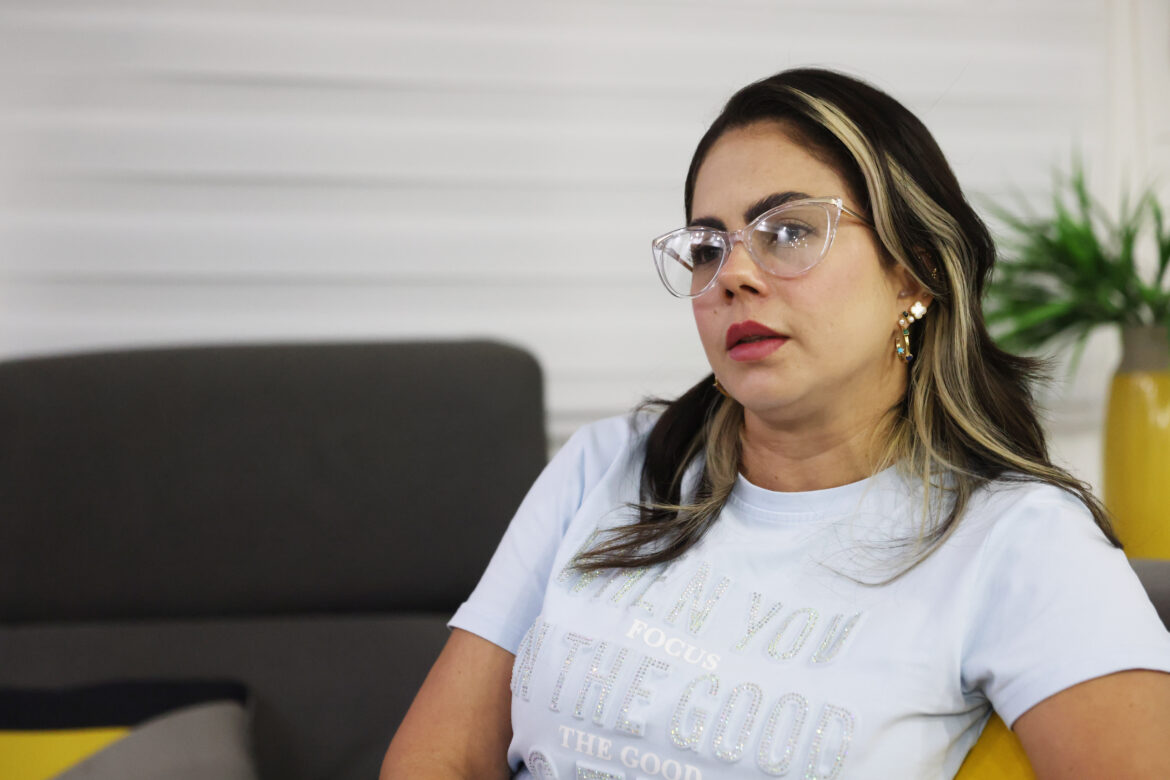
Photo by Brandon Cruz González | Centro de Periodismo Investigativo
He was finally admitted in August to the Río Piedras Forensic Psychiatry Hospital, where he received the services he needed to stabilize enough to face the court process. In October, he was moved to the Land of Freedom rehabilitation center.
Ivángel had been declared unfit to stand trial in May of this year. His condition had deteriorated so severely in jail, his mother said, that the judge ordered his immediate transfer to the forensic psychiatric hospital.
“[Superior Court Judge Carmen Otero Ferreiras] stopped the hearing and said Ivángel couldn’t remain in that state. She saw he was in worse shape than the first time,” Alicea Sierra recalled.
Although Ivángel was deemed competent in October — meaning he understands the criminal proceedings against him and can assist in his defense — other defendants with mental-health disorders remain trapped in prison for months or even years without treatment, a violation of basic human rights and due process, according to experts interviewed.
“Structurally, this is discrimination against mental-health patients because if they did not have that condition, the deadlines for a speedy trial would make their cases move much more quickly,” said Luis Alberto Zambrana González, a professor at the Pontifical Catholic University of Puerto Rico School of Law in Ponce.
Ivángel said that while he was held at the Medical Correctional Center of the Department of Corrections and Rehabilitation (DCR) in Bayamón, he met a person who had spent three years in the legal limbo of competency evaluations.
“It was frustrating,” Ivángel said of the people he met who had spent years in the process to determine or restore their competency.
Ivángel spoke with the CPI on that November day when he arrived at court with his family. The conversation was brief; the escort from the rehabilitation center quickly led him away to comply with the young man’s lockdown order.
“They were desperate to get out of that process,” he added, referring to the other unfit-to-stand-trial defendants he met in the two prisons where he had been held and at the Medical Correctional Center.
According to the DCR, as of October of this year, the oldest admission order among incarcerated defendants waiting for transfer to a forensic hospital dated back to 2022.
Limited Forensic Beds
Puerto Rico’s forensic psychiatric hospitals in Río Piedras, a San Juan neighborhood, and in Ponce in the island’s south, have been operating at full capacity for years amid growing demand and insufficient resources. The lack of space results in defendants with mental-health disorders remaining in jail as their conditions worsen.
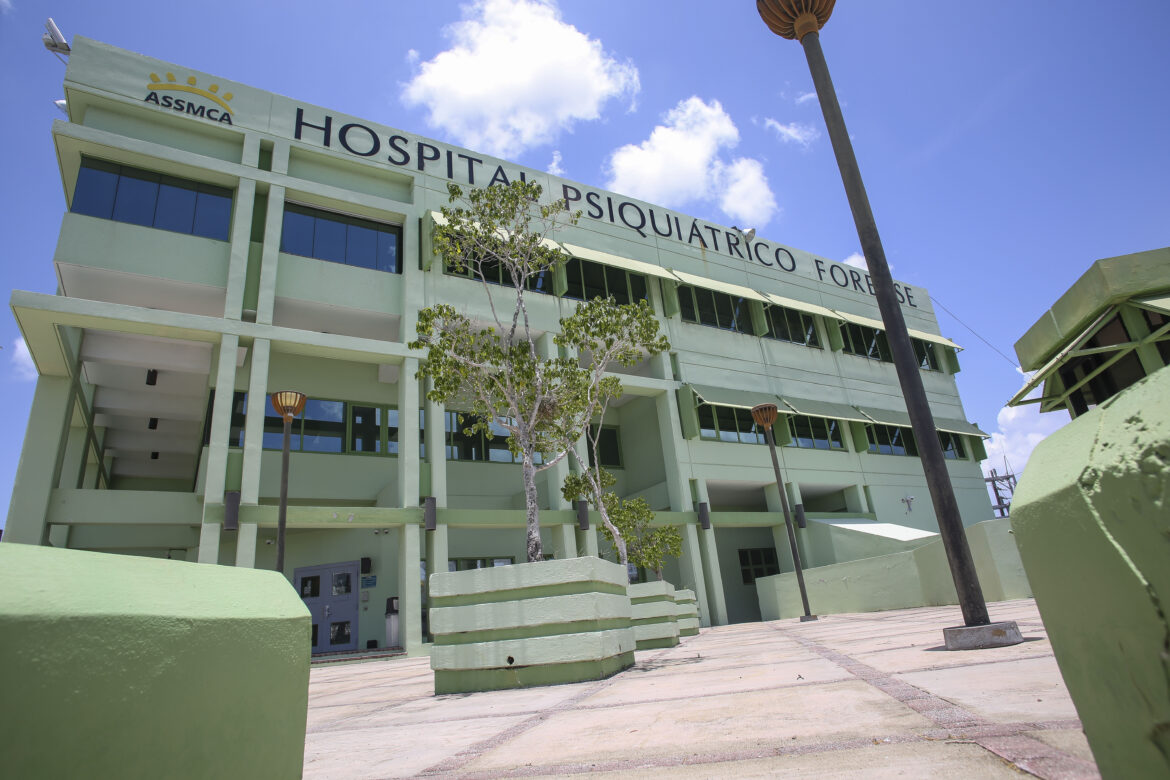
Photo by Gabriel López Albarrán | Centro de Periodismo Investigativo
Between 2018 and 2024, ASSMCA provided services to 717 defendants as part of the competency restoration process, according to information the agency reported in response to a Senate request.
Defendants found unfit to stand trial occupy nearly all the beds in Puerto Rico’s forensic hospitals. As of July of this year, roughly eight out of every 10 patients admitted to the two institutions were undergoing competency evaluations, according to figures ASSMCA provided to the Senate.
“We can’t pretend it’s not increasing — because it is,” ASSMCA Administrator Catherine Oliver Franco acknowledged in a phone interview. “We continue working, hiring psychiatrists; we continue hiring psychologists, social workers, supervisors for social-work areas, nurses, nutritionists — a full support structure,” she added.
According to data the agency released after the CPI filed a public records lawsuit, the two forensic psychiatric hospitals have eight psychiatrists, nine psychologists, and 13 social workers, among other health professionals, to care for more than 200 beds. In response to the CPI’s information request, ASSMCA stated that each forensic hospital has 125 beds, for a total of 250. Yet the agency told the Senate in July that it has 125 beds in Ponce and 162 in Río Piedras — a total of 287. ASSMCA did not explain the discrepancies in the numbers it reported.
“Staff and resources will never be enough, because we also have to protect the occupational health of our professionals,” Oliver Franco said. “This is a group of professionals who are difficult to recruit because not everyone wants to work with mental health patients. But that can’t stop us from trying to bring in new professionals,” she added, referring to workforce shortages in forensic psychiatric facilities.
The shortage of space in forensic psychiatry units is a long-standing problem that has left defendants declared unfit to stand trial in prolonged limbo. In fiscal year 2022, the average wait for a bed was seven months, according to an analysis by the Office of Court Administration (OAT, in Spanish) presented by Judge Otero Ferreiras in 2023.
“We need more beds in our system, but we also need to address the broader mental health crisis,” said Ferdinand López Colón, coordinator of the Legal Aid Society’s Mental Health Proceedings Assistance Program. “This is a public health, social, and human rights issue that must be handled from multiple angles to prevent it. I’m convinced that if 100 beds open, they’ll fill; if 500 open, they’ll fill,” he said.
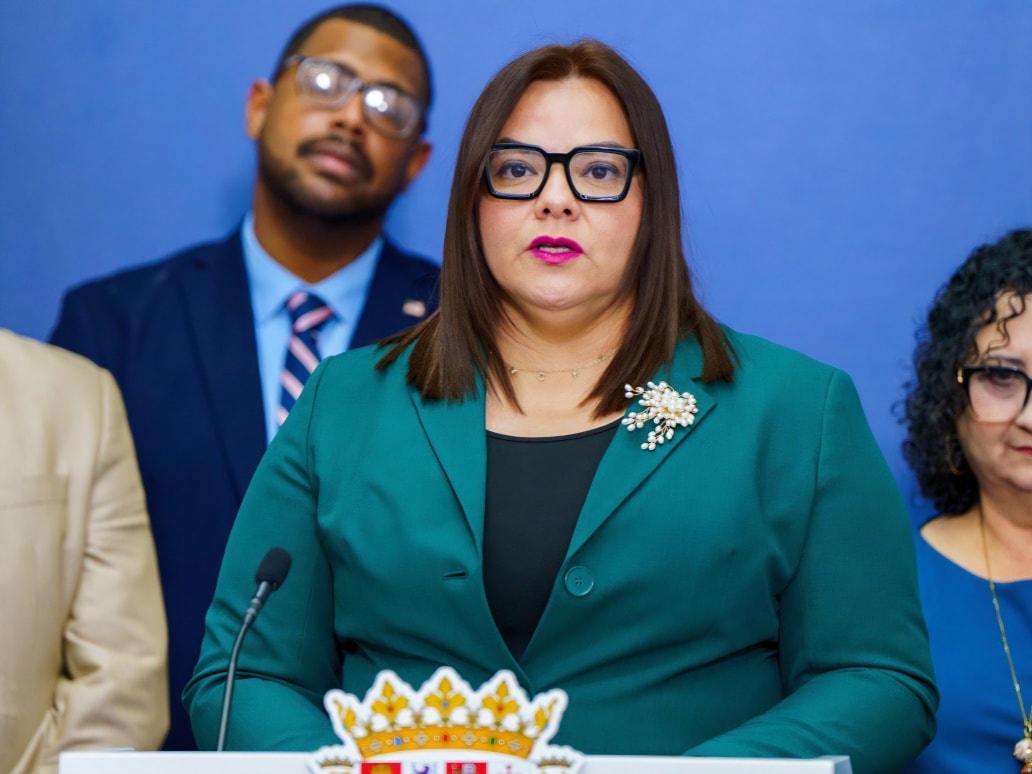
Photo provided
The CPI asked ASSMCA for data on the number of people who have been on the waiting list for admission to forensic psychiatric institutions from 2021 to the present, but the agency said it does not have that information.
“Admissions to forensic psychiatric institutions are dynamic and change daily, and entries are removed as patients are admitted,” the agency wrote in a letter signed by Oliver Franco.
In 2019, an investigation by the CPI and the news outlet Metro revealed that the government has no central registry of defendants deemed unfit to stand trial and that their civil rights are violated on a daily basis. That year, at least 437 defendants were somewhere in the competency process.
Six years later, little has changed. None of the agencies involved keep detailed records of the people who have gone through the competency determination process. They can provide only snapshots of the current caseload, with no precise data on how many defendants have been in this situation in previous years.
Months- and Years-Long Waits
For defense attorneys, requesting that a case be paused to evaluate a client’s competency is not a decision taken lightly, said Alejandra Belmar Jiménez, executive director of the Legal Aid Society. Once the process begins, she said, clients “fall into that black hole.”
According to the DCR, as of mid-October of last year, 130 unfit-to-stand-trial defendants were in the agency’s custody. Of those, 68 were at the Ponce 500 medical facility and 22 at the Medical Correctional Center.
The DCR told the CPI that it did not begin collecting data on defendants declared unfit to stand trial until 2022. The CPI requested information for the years after 2022, but the agency did not provide it.
Despite multiple interview requests about the situation of unfit defendants under DCR custody, Corrections Secretary Francisco Quiñones Rivera declined to be interviewed and referred the matter to ASSMCA.
Meanwhile, in the courts, four psychologists currently conduct competency evaluations as expert witnesses for the state. In previous years, only two experts handled these assessments and testified in court about a defendant’s mental or functional condition, said Sigfrido Steidel Figueroa, administrative director of the courts.
Historically, the mental health professionals serving as state experts in competency cases were psychiatrists. Since last year, however, the Office of Court Administration has not contracted psychiatrists to conduct these evaluations, which pay $150 per case.
“It’s not that we lack interest in having experts with that specialty take part in these proceedings, because we have had them in the past. The issue is that we have not found forensic psychiatrists willing to contract with us to provide those services,” Steidel Figueroa said.
The CPI requested data from the Judicial Branch on defendants undergoing competency proceedings, including case numbers, but the OAT said it does not collect that information. When asked why the Judiciary does not track these cases, Steidel Figueroa said the branch is undergoing a digitization process that will centralize information that has remained scattered across paper files and disparate systems for years.
Legislation That Goes Nowhere
Rule 240 of the Puerto Rico Rules of Criminal Procedure, which outlines the process for determining whether a defendant is competent to stand trial, does not establish a specific deadline for admitting a person to an “appropriate institution” to receive court-ordered treatment. In recent years, lawmakers have introduced bills intended to prevent unfit defendants from being held indefinitely in jail, but those measures have failed to advance.
A bill introduced last June by Puerto Rican Independence Party senators María de Lourdes Santiago Negrón and Adrián González Costa proposed that no person declared unfit — or awaiting such a determination — remain in jail for more than six months, the constitutional deadline guaranteeing a speedy trial. The Legislature approved the bill by discharge, without holding public hearings, but Governor Jenniffer González issued a pocket veto.
Santiago Negrón believes the resources exist to implement what the bill proposed. “Perhaps not enough, but it would have been a call to identify those resources that must exist somewhere,” the senator said. She added that she will reintroduce the measure before the end of the four-year term, this time requesting that public hearings be held.
In 2021, Santiago Negrón, former Sen. José Vargas Vidot, and Senate President Thomas Rivera Schatz introduced a similar bill. That proposal sought to ensure that defendants with mental health disorders would not remain in pretrial detention for more than six months without receiving treatment. The measure never came up for a vote. At the time, ASSMCA supported the bill on the condition that it received recurring funding to meet its requirements.
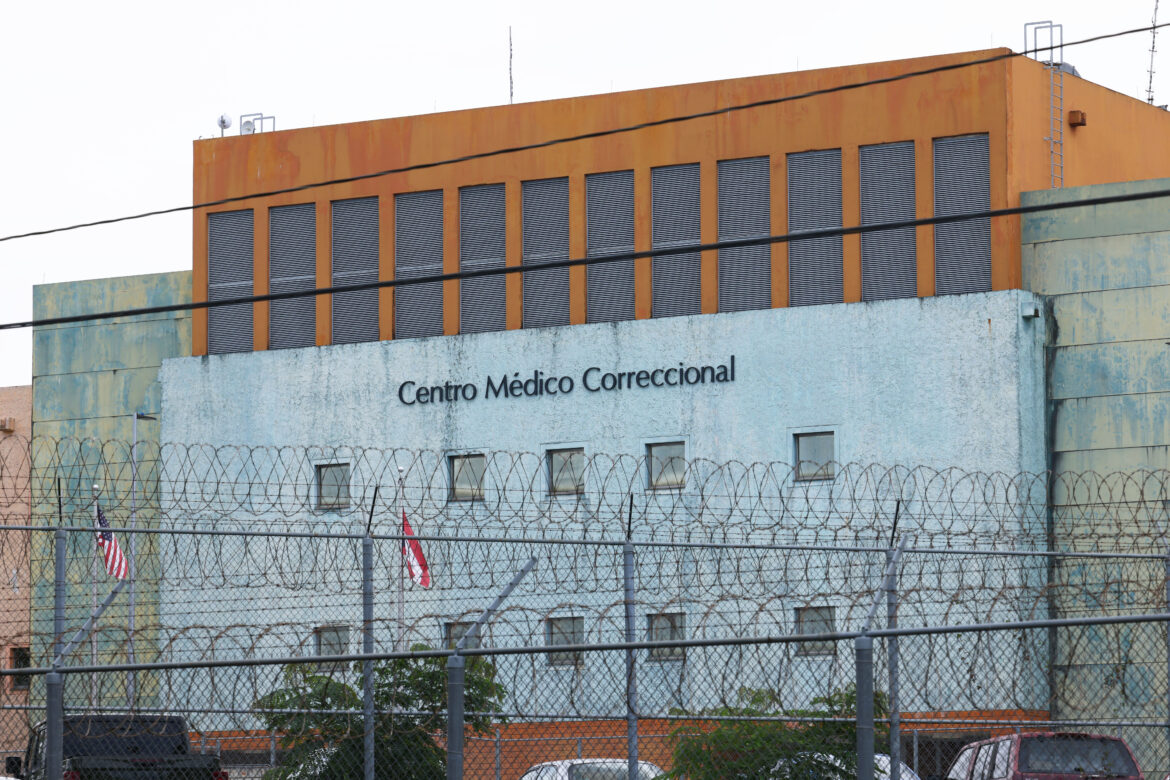
Photo by Brandon Cruz González | Centro de Periodismo Investigativo
As in Puerto Rico, several U.S. jurisdictions also face severe shortages of psychiatric beds for court-ordered mental health treatment and competency restoration services, resulting in long waiting lists in states such as Missouri, Florida, Texas, Oklahoma, New York, and Pennsylvania, according to The Marshall Project.
In Puerto Rico, 51 men and 13 women were waiting to be admitted to a forensic psychiatric hospital as of mid-November, according to Oliver Franco. The waiting list, however, has at times included hundreds of people.
As recently as last year, a young man arrested in 2023 for allegedly stabbing a relative was number 95 on the waiting list for a forensic hospital bed, according to court records in a case being heard at the Bayamón Judicial Center. Although the court ordered his transfer to an ASSMCA hospital in October 2023, he was not admitted until April 2024.
“ASSMCA is making efforts to place the patients who are waiting to be admitted to forensic hospitals, which are operating at full capacity. This case reiterates the issue of limited space in both psychiatric hospitals, where all beds are currently occupied,” a court memorandum in the file states.
Meanwhile, ASSMCA is in the process of building a new forensic psychiatric hospital in Ponce, near the existing facility. Once the new structure is completed, the current hospital will be converted into a transitional home, Oliver Franco said.
The agency says the obligated amount for the new construction is $135.6 million, allocated by the Federal Emergency Management Agency (FEMA). Construction is scheduled to begin in June 2027 and conclude in June 2030.
In January of this year, FEMA announced it had obligated more than $122 million to repair the forensic psychiatric hospital in Ponce. The repairs include installing a potable water cistern, an electric generator, and an alternate energy system, according to a press release.
Mental Health Behind Bars
Most defendants with mental health disorders who receive ASSMCA services, according to the agency, are transferred from the Medical Correctional Center in Bayamón, with only 35 beds in its acute psychiatric care unit, before patients are moved to forensic hospitals.
When Ivángel was transferred to the Río Piedras forensic psychiatric hospital, he had been held at Ponce 500. A pilot program at that prison allows ASSMCA staff to provide limited services behind bars. But it was only after he arrived at the forensic hospital that his family began to notice real improvement.
“You could tell the treatment was much better there,” his mother said.
Although unfit-to-stand-trial defendants in prison have access to the correctional health program, the care they receive behind bars is very different from the treatment available in a forensic psychiatric hospital.
According to forensic clinical psychologist Lorena Vázquez Santiago, a forensic psychiatric hospital provides a therapeutic environment, while a prison operates under a punitive model.
“While patients at a forensic psychiatric hospital receive 24/7 treatment, that is not how it works in prisons unless they are at the Medical Correctional Center — and even then, there are very clear gaps and differences in the services,” Vázquez Santiago said.
The DCR is also moving forward with plans to build another psychiatric hospital next to the Medical Correctional Center, within the Bayamón Correctional Complex, though the agency has not explained how it will be funded or who will provide medical services there, the CPI reported in July. At the time, Secretary Quiñones Rivera said the new facility would house people “who have mental health needs at all levels, but who have not been declared unfit to stand trial.”
To help address the shortage of forensic beds, ASSMCA has previously suggested placing unfit defendants at the Medical Correctional Center, according to a 2021 Senate report. But the DCR has rejected that proposal. In 2021 testimony before the Senate, then–Corrections Secretary Ana Escobar Pabón said the correctional system “is not designed to serve people who require specialized psychiatric care because they do not have the capacity to face criminal proceedings.”
Psychologist Vázquez Santiago noted that addressing mental health needs within the justice system requires an interagency effort. She suggested that unused facilities could be converted into psychiatric rehabilitation centers, supported through shared funding and a pilot program grounded in scientific evidence.
For Ivángel’s mother, the incident that led to the criminal case against her son should never have happened. At just 23, he has already been admitted to psychiatric hospitals five times under the Mental Health Act. She wishes that during those hospitalizations, “more attention would have been paid” to the severity of his condition, so that a tragedy would not have been the catalyst for him to receive appropriate treatment.
“There are so many families of people who are suffering who aren’t present, or who don’t have the resources — unlike us, who go, investigate, verify the laws, this and that,” she said. “And there they are, lost, suffering from a mental health condition for which they’re given no help, no resources. And there they are, dying, deteriorating more and more in those voids.”
Meanwhile, Ivángel awaits his preliminary hearing in December, hoping the agreement reached in court last month will be honored: that he be allowed to continue receiving the treatment he desperately needs.
Journalist Amanda Pérez Pintado is a member of Report for America.
This translation was generated with the assistance of AI and reviewed by our editorial team to ensure accuracy and clarity.


